A 501(c)(3) nonprofit dedicated to wildlife conservation in tourism landscapes.
The Nature Conscious Tourism Initiative is a 501(c)(3) nonprofit based in the United States working to protect wildlife in areas shaped by the tourism industry, and support the people and organizations working alongside it.
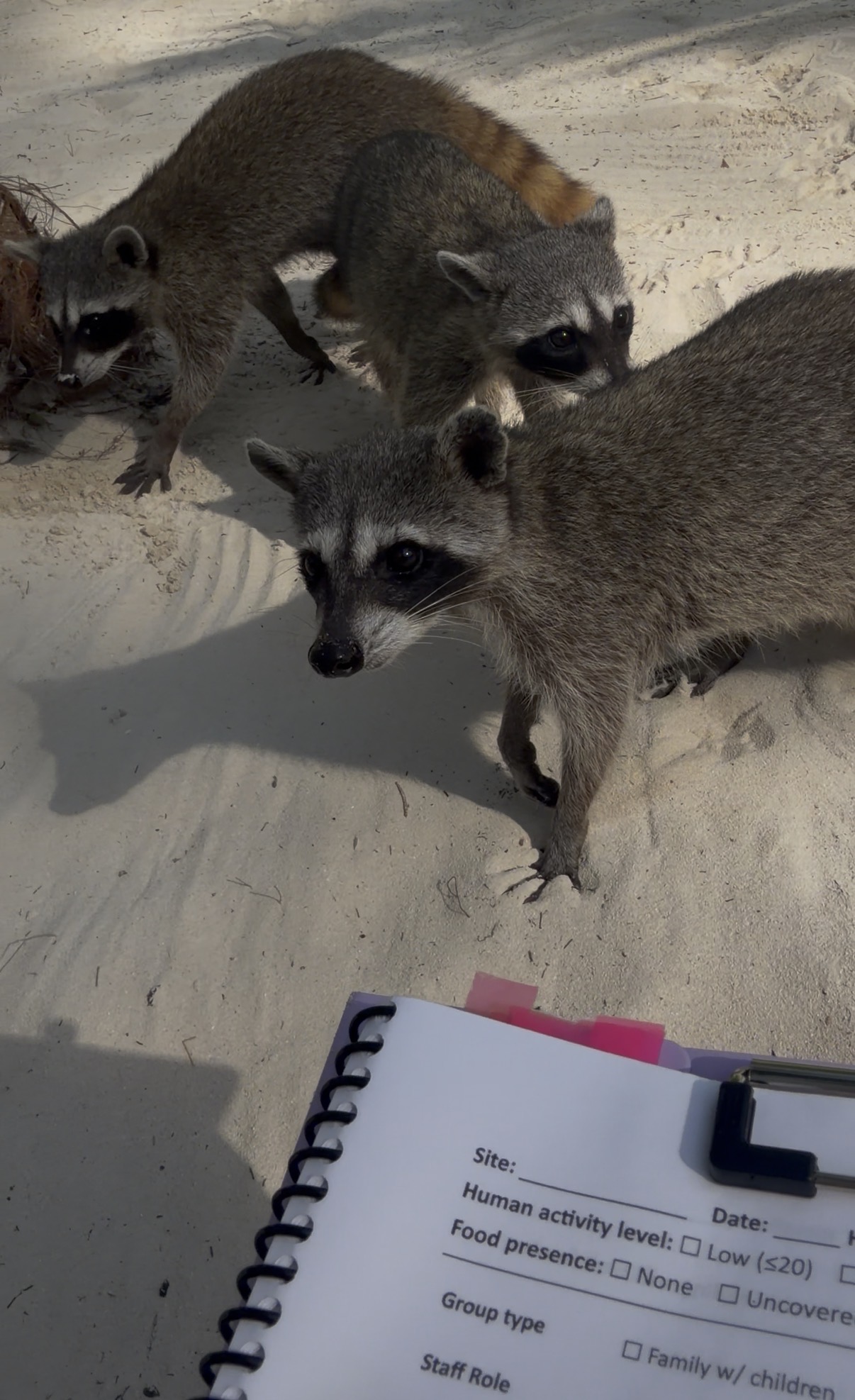
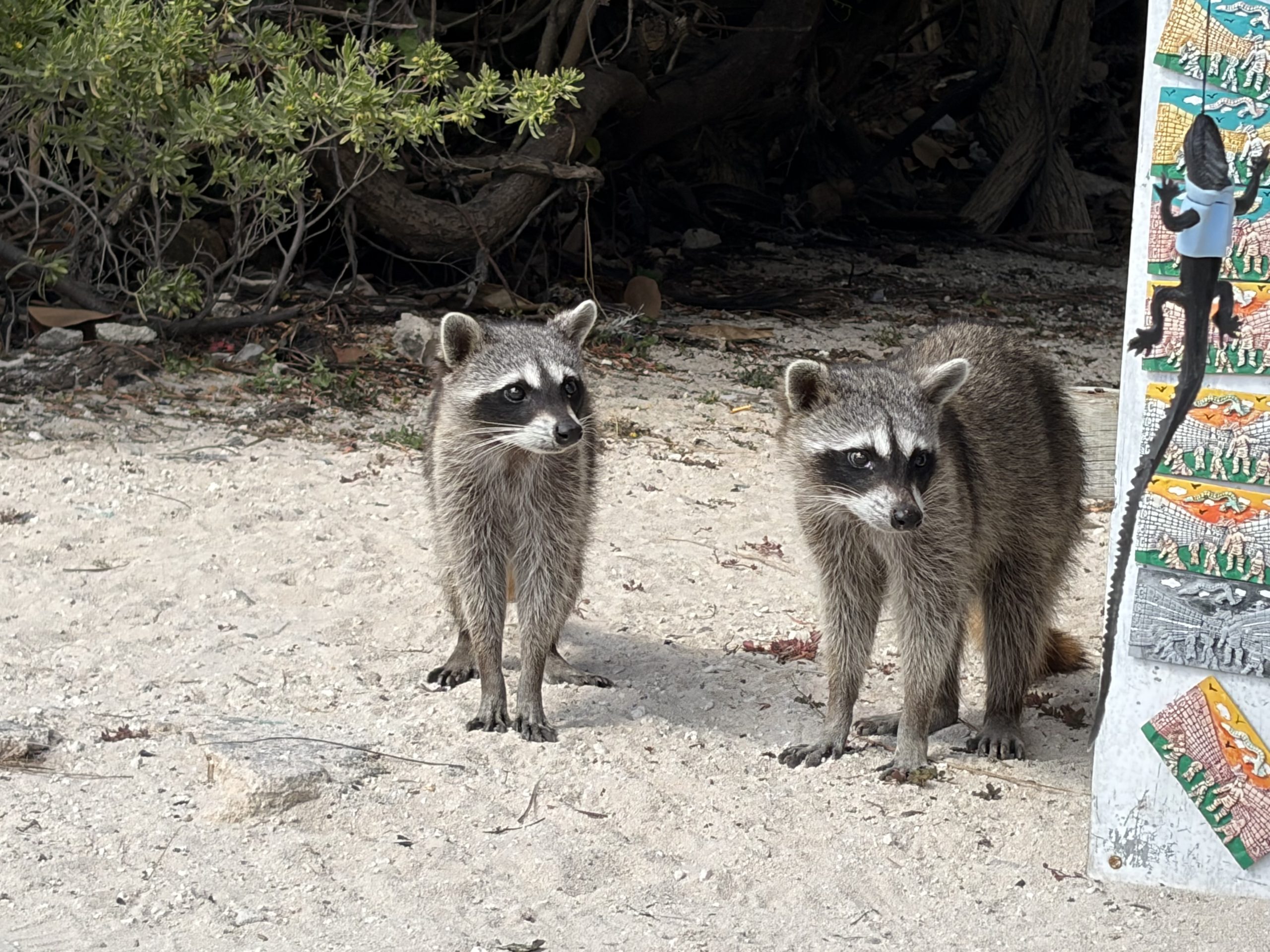
NCTI supports wildlife research, develops conservation and educational resources, and collaborates with organizations working in tourism, animal welfare, and conservation. Our current research and conservation support focuses primarily on understanding how tourism affects the health, welfare, behavior, and conservation of the critically endangered pygmy raccoon of Cozumel, Mexico.
We also use our experience in communications, tourism, and web development to help conservation organizations strengthen their outreach and share their work with a wider audience.
Wildlife conservation is shaped by the people who live, work, travel, and make decisions in the places animals call home. Tourism, local communities, businesses, researchers, and conservation organizations can all influence what happens to wildlife.
NCTI works at that intersection. Our work combines scientific research with education, collaboration, and direct conservation support. Today, much of our work centers on Cozumel, where NCTI supports research on the critically endangered pygmy raccoon while also funding local rescue, veterinary care, rehabilitation, and other efforts that directly benefit individual raccoons and the species as a whole.
At the same time, we continue to support other conservation organizations by contributing skills in communications, education, tourism, and web development.
To advance wildlife conservation through research support, education, collaboration, and direct conservation action. NCTI focuses on improving outcomes for wildlife affected by tourism and human activity while strengthening the organizations and local efforts working to protect them.
A future where wildlife and people can share landscapes more sustainably, conservation decisions are informed by science, and local organizations have the resources and support needed to protect wildlife effectively.
Wildlife conservation is shaped by the people who live, work, travel, and make decisions in the places animals call home. Tourism, local communities, businesses, researchers, and conservation organizations can all influence what happens to wildlife.
NCTI works at that intersection. Our work combines scientific research with education, collaboration, and direct conservation support. Today, much of our work centers on Cozumel, where NCTI supports research on the critically endangered pygmy raccoon while also funding local rescue, veterinary care, rehabilitation, and other efforts that directly benefit individual raccoons and the species as a whole.
At the same time, we continue to support other conservation organizations by contributing skills in communications, education, tourism, and web development.
To advance wildlife conservation through research support, education, collaboration, and direct conservation action. NCTI focuses on improving outcomes for wildlife affected by tourism and human activity while strengthening the organizations and local efforts working to protect them.
A future where wildlife and people can share landscapes more sustainably, conservation decisions are informed by science, and local organizations have the resources and support needed to protect wildlife effectively.
Today’s tourists demand sustainability. With 87% of travelers seeking more eco-friendly experiences, it’s clear that sustainable tourism is the future of travel. People want to engage with destinations that respect nature and contribute to its preservation. By embracing these values, we can meet traveler expectations while safeguarding the planet.
NCTI directs its time and resources toward projects that can make a practical difference for wildlife and the organizations working to protect it. Much of our current work focuses on pygmy raccoon research and conservation on Cozumel, while we also support conservation education and provide limited technical guidance to partner organizations.
NCTI funds and supports research on Cozumel’s critically endangered pygmy raccoon, as well as local rescue, veterinary care, rehabilitation, and other direct conservation and welfare efforts.
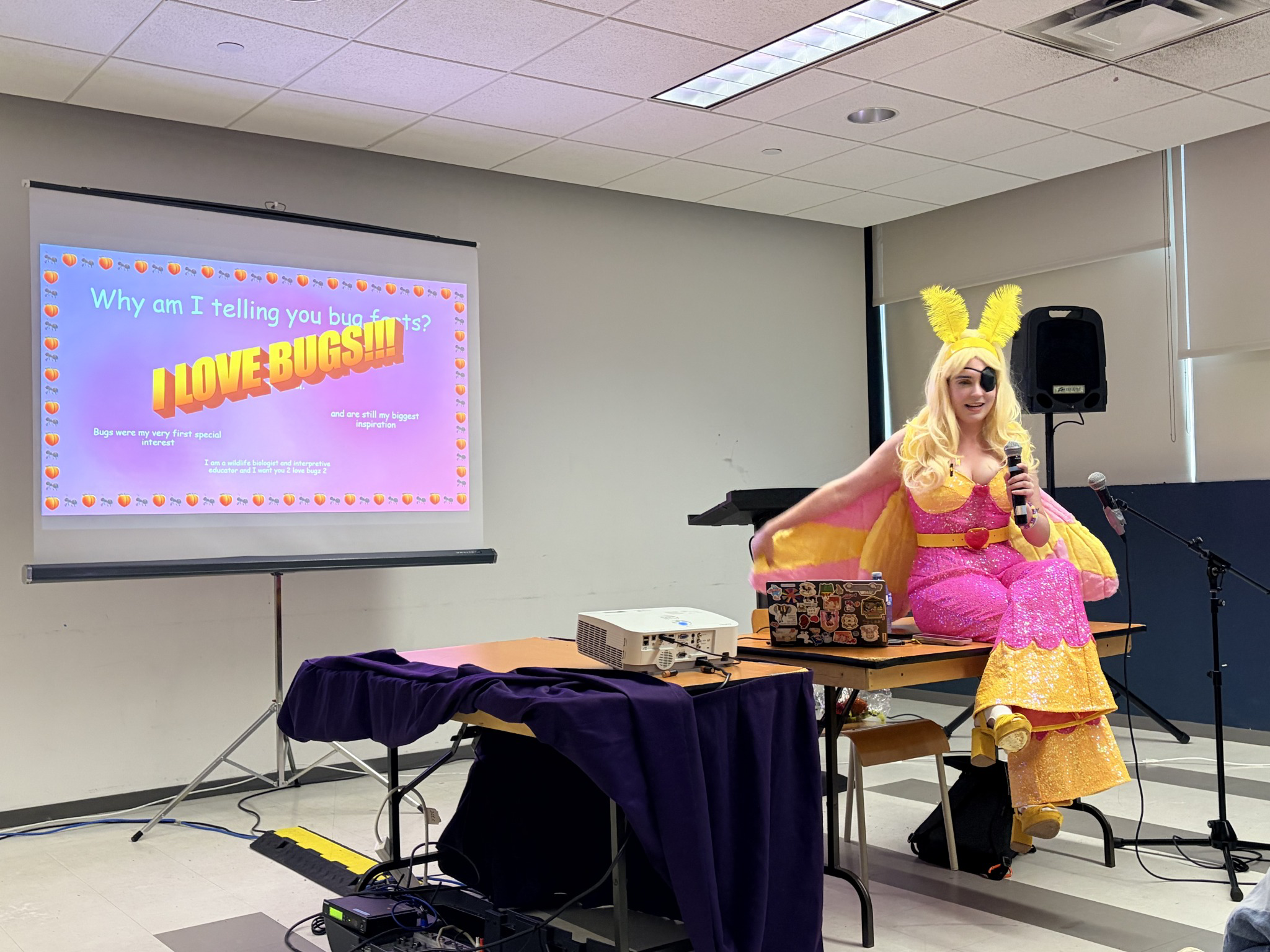
We develop educational resources and public outreach that translate research into accessible information about wildlife, responsible tourism, and human–wildlife interactions.
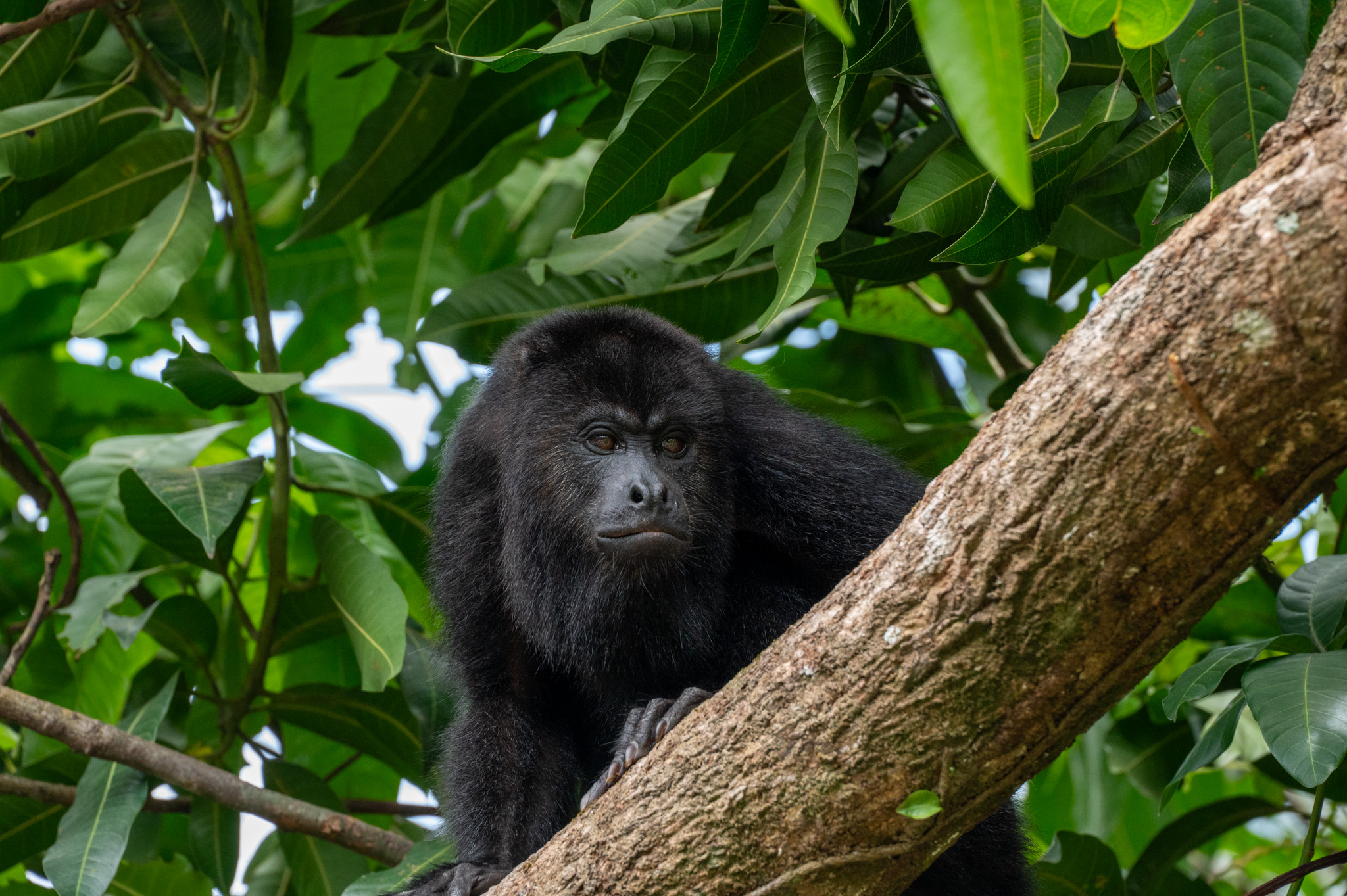
NCTI provides limited website and communications guidance to conservation organizations within the tourism industry, helping them share their work effectively without diverting resources away from their conservation priorities.

It’s

Wildlife

If


How

Raccoons